Stroke
A Brief Look at Stroke
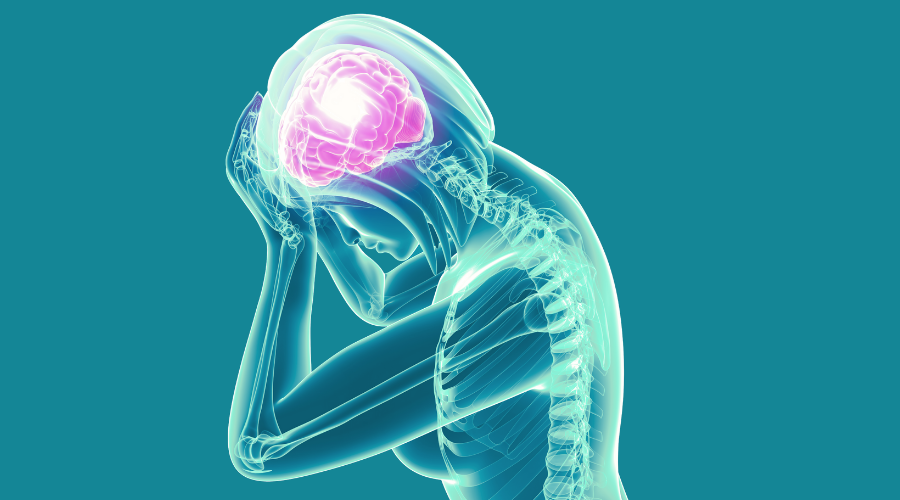
Early arrival at a hospital is the best chance to effectively treat a stroke. It is important to educate yourself about stroke. A stroke is the name for a sudden blockage of blood flow to the brain. Blood flow to the brain can be blocked by a clogged blood vessel; this is called an ischemic stroke. Blood flowing to the brain can also be interrupted by ruptured blood vessels, which spill blood in the brain; this is called a hemorrhagic stroke. A temporary block of blood flow to the brain causes a transient ischemic attack (TIA), often referred to as a ministroke. Although a TIA is short-lived, it must not be taken lightly. TIA often precedes a bigger stroke. Brain cells die quickly when blood flow to the brain is hindered. It is important to seek treatment fast when a stroke occurs.
Symptoms of Stroke
The brain controls most of the body’s functions; therefore, a damaged brain will hinder the body’s normal function. A stroke will hinder the body’s function, causing symptoms such as: –
- Dizziness
- Strange type of headache
- Vision changes (blurred vision, double vision)
- Difficulty speaking
- Loss of balance/lack of hand and foot coordination
- Fatigue that is not relieved with rest and lacks an obvious cause
- Confusion
- Drooping face
- Numbness in half the body
- Seizure
- Paralysis
Who are Most at Risk for Stroke?
You are most at risk for stroke if you have an underlying health condition, such as high blood pressure, diabetes, high cholesterol, and obesity. These health conditions can cause injuries to arteries (clogging and rupture), including the arteries inside the brain. You are also at risk if you smoke, drink alcohol excessively, eat unhealthy food (including salty food), lack exercise, are of an older age, and have a family history of stroke. According to the CDC, adult non-Hispanic blacks are more at risk of having strokes and dying from stroke than adult whites.
Reduce Risk Factors for Stroke
Once you understand the risk factors associated with strokes, you can make lifestyle changes to reduce the risk of having a stroke. You can reduce strokes by doing the following: –
- Managing the underlying health condition (some mentioned above) that puts you at risk for stroke.
- Maintain a healthy weight.
- Eat healthy food, and avoid excessive salt intake.
- Keep physically active (go brisk walking or jogging routinely)
- Quit/avoid smoking and drinking alcohol.
- Get regular check-ups.
If you believe in God, pray about your health concerns.
Stroke is an emergency, and it is treatable. Treatment is most effective the sooner you arrive for care at the onset of the stroke. Educating yourself about stroke can help you with an awareness of when to get emergency help if you or someone you know presents signs and symptoms of stroke.
FAST is an established acronym to remember when to get help.
F – Face drooping. Unilateral facial numbness.
A – Arm weakness. Numbness/weakness in one arm.
S – Speech difficulty. Difficulty calling words.
T – Time to call 911. Time to call 911 when these symptoms present.
Source
- CDC. (2024). Stroke. https://www.cdc.gov/stroke/data-research/facts-stats/index.html
- Healthline. (2024). Understanding and Controlling Risk Factors for Stroke. https://www.healthline.com/health/stroke/stroke-risk-factors#high-blood-pressure
- MedlinePlus. (2025). Stroke. https://medlineplus.gov/stroke.html
Share Our Post: